

The Importance of Having an Antivirus on Your Windows Computer
diciembre 30, 2024 | by Equipo YKCG
Índice del Articulo
Introduction to IT Security
Computer security has become a fundamental aspect in the modern world where digital devices are omnipresent. With the increase in digitization, Windows computer users face numerous cyber threats that can compromise the integrity of their personal and professional information. This panorama confronts us with a disturbing reality: more and more devices are exposed to malware attacks, viruses and other types of malicious software.
Statistics indicate that, as technology progresses, so do the techniques used by cybercriminals to infiltrate systems. Computer viruses, for example, can spread quickly through networks and devices, affecting thousands of users in a matter of days. In this context, knowledge about the vulnerabilities of systems and the use of appropriate solutions becomes vital to protect our data and our privacy.
An effective antivirus plays a crucial role in defending our devices. However, the responsibility for maintaining good digital hygiene does not lie solely with the software; users must also adopt safe practices such as choosing robust passwords, being cautious with emails and unknown links, and keeping their operating system and applications up to date.competent antivirusand security habits strengthens the cybersecurity posture of any Windows user.
The purpose of this article is to raise awareness of the imperative need for arobust antivirus on our computers.In an era where digital threats are increasingly sophisticated, it is essential that each user is well informed and prepared to act against possible cyber attacks. Computer security should not be taken lightly; it is an essential component to ensure a safer digital environment.
The Evolution of Computer Viruses
The history of computer viruses dates back to the 1980s, when the first malicious programs began to appear, invading computer systems primitively. One of the first examples was the "Elk Cloner" virus, which spread through floppy disks and could affect Apple II systems. As technology evolved, so did viruses, becoming more sophisticated and harmful. With the arrival of Windows as a dominant operating system, cybercriminals began to focus their efforts on this environment, developing viruses that could bypass the most basic security measures.
In the 1990s, computer viruses began to proliferate on a massive scale, with tools such as the famous "ILOVEYOU" that, through emails, managed to infect millions of systems around the world. Spreading methods became increasingly complex, taking advantage of users' recklessness and lack of knowledge about cybersecurity. This period forced many users to adopt safer practices and, above all, to implement antivirus solutions on their Windows computers, aware of the growing threat.
With the advancement of technology, computer viruses have continued to evolve into more specialized and dangerous threats, such as Trojans, ransomware and spyware. These programs not only seek to damage files, but also steal sensitive information and compromise users’ privacy. Cybercriminals perfected their tactics, using ingenious social engineering techniques to deceive people and facilitate the spread of their malicious software. In this context, antivirus has become an essential tool for the protection of users and their devices, as defending against these threats has become increasingly critical in today’s world.
Myths and Reality of Computer Viruses
Public perception of computer viruses and their impact on computer security is often influenced by a mix of facts and myths. One of the most common myths is that only users who handle financial information are likely to be attacked by cybercriminals. This misconception minimizes the risk faced by anyone who surfs the Internet, including Windows users. Computer viruses do not discriminate; any machine connected to the network is potentially in danger. From simple users to large corporations, they are all susceptible to infection.
Another recurring myth is that an antivirus is never necessary for those who consider that they carry a safe browsing behavior. This implies that they believe that if they avoid dangerous websites or questionable content, there is no risk of infection. However, the reality is that many computer viruses can infiltrate the system in unsuspected ways, such as through seemingly harmless downloads or emails. An antivirus acts as a first line of defense, even for those who consider themselves experts in digital security.
In addition, there is a belief that computer viruses are easy to detect and eliminate. Currently, the sophistication of malware and cyber attacks has evolved considerably. Cybercriminals use advanced tactics, such as phishing and ransomware, which can go unnoticed even for experienced users. For this reason, it is essential not only to have an updated antivirus program, but also to maintain a continuous cyber security education. Disinformation can lead to complacency, and that is where there is a significant risk. It is vital to understand the truth behind these myths to take a proactive stance in protecting our team.
You don’t need to be a millionaire to be attacked.
In the current context of cybersecurity, it is crucial to understand that vulnerability to computer attacks is not exclusively reserved for individuals with large amounts of money. Cybercriminality has become democratized, and anyone who uses the Internet becomes a potential target. Hackers often resort to techniques that allow them to take advantage of the personal information of a wide variety of users, regardless of their financial situation.
A paradigmatic example of this situation can be seen in the phishing attacks, where criminals send misleading emails that seem legitimate. These emails aim to steal personal information, such as passwords and credit card data. Unfortunately, many people fall into these traps without being aware of the risks. Through a single successful attack, a hacker could take control of an email or social media account, using the information obtained to compromise other associated accounts, often without considering the balance they may have.
It is important to note that personal information — such as phone numbers, addresses and other sensitive data — can be manipulated by cybercriminals to carry out frauds or extortions. Therefore, online security is an issue that concerns everyone. Attacks not only target professionals and entrepreneurs with high assets, but also common users who feel that their personal information does not represent a significant risk. Each individual must take appropriate measures, such as installing an antivirus and keeping their operating systems up to date, to protect against these cyber threats.
Evolution of Antivirus
The development of antivirus programs has been a continuous process that has been adapted as technology and digital threats evolve. In its beginnings, antivirus were simple tools, designed exclusively to detect and eliminate computer viruses. However, with the advancement of technology and the emergence of new types of malware, such as spyware and ransomware, these programs have had to evolve to offer more comprehensive protection.
In the 1990s, the focus on the creation of antivirus was almost exclusively on identifying known viruses through the comparison of passwords and specific features. The first antivirus were manual scanning tools, requiring users to initiate an analysis of their device actively. This changed with the arrival of more automated solutions that allow real-time detection, which is fundamental in the current digital threat landscape.
Today, anti-viruses have incorporated advanced features, such as detection of suspicious behaviors and protection against phishing, which demonstrates a significant advance in the fight against malware. In addition, tools have been developed that protect not only against viruses, but also against different types of threats, such as ransomware, which encrypt files and extort users. This change has underlined the importance of keeping antivirus software constantly updated, as threats are increasingly sophisticated and quickly adapted to traditional defenses.
The constant update of the antivirus is crucial for programs to recognize and neutralize new threats that emerge in cyberspace. With the large amount of malware that appears daily, having a robust and up-to-date antivirus is essential to protect the information and privacy of users on their Windows computers.
Key Features of a Good Antivirus
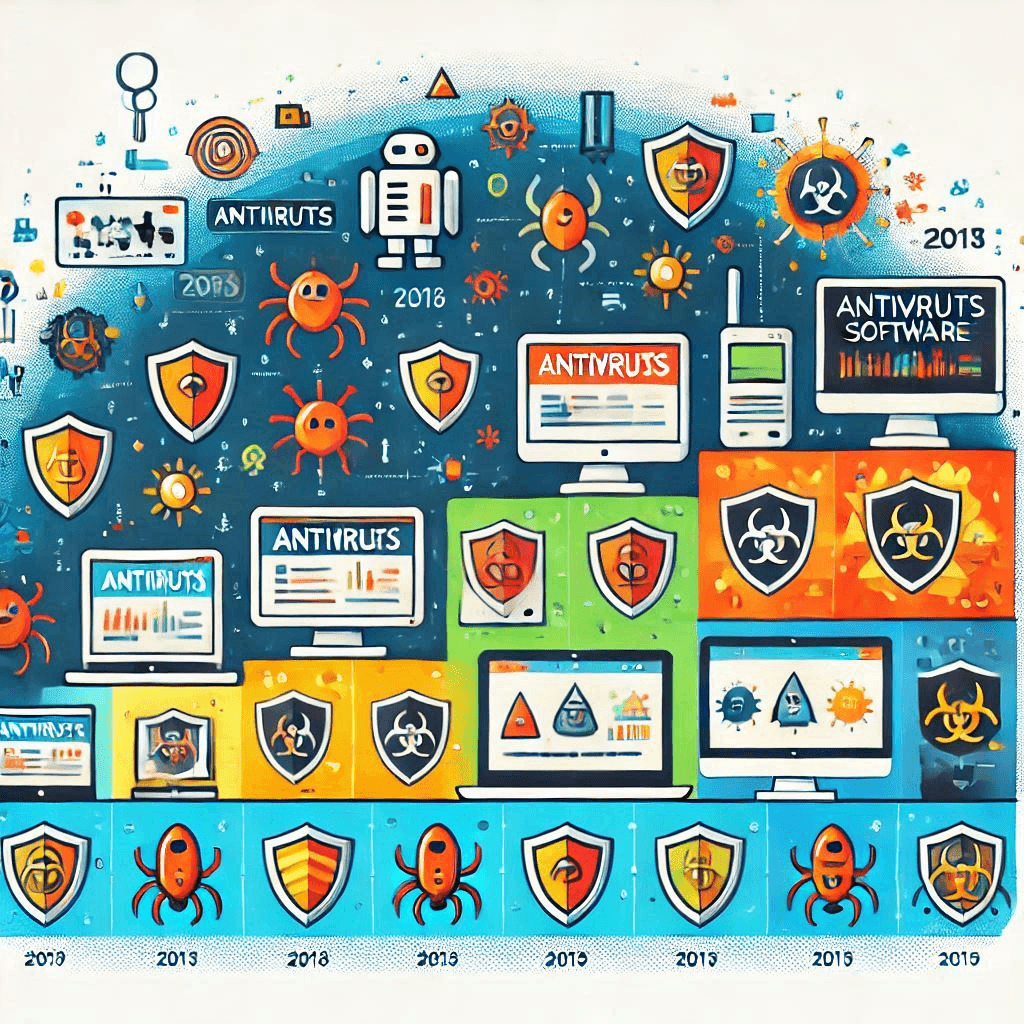
Choosing an antivirus is essential to ensure the security of a Windows computer. A good antivirus software should offer several key features that adequately protect the system against different threats. First, thereal-time protectionThis means that the antivirus must constantly scan the system for malware, intercepting any threat before it can cause damage. This feature ensures that users are proactively protected while browsing the Internet or opening new files.
Another important feature is thescheduled analysis capacity. Users can schedule system analysis at specific times, which helps to identify and remove malware that may have been overlooked. This feature is complemented by theRansomware protectionA good antivirus must have tools that detect and block ransomware attacks, protect important files and offer recovery methods.
In addition, the function ofblocking of malicious websitesIt is essential to prevent visits to pages that may attempt to infect the computer. A good antivirus should integrate content filtering that prevents access to dangerous links. If a virus is detected, it is crucial that the antivirus offers clear options for system removal and restoration, thus minimizing any potential damage. In addition, users should be informed about how to proceed after virus detection. Recommendations such as password change and backup of important data should be included in the protocols.
What to Do If Your Computer Is Infected?
If you suspect that your Windows computer has been infected, it is essential to act quickly to mitigate the damage. The first step you need to take is to disconnect your Internet device. This action will prevent the virus from spreading or attackers from accessing your personal information. Disconnecting the network may be the key to protecting your system from further damage.
Once disconnected, the next step is to perform a complete system scan using trusted antivirus software. It is essential that you have previously updated your antivirus so that you can detect the latest threats. Start a complete scan covering all files and applications on your computer. This process may take a while, depending on the size of your hard drive and the number of files stored on your system. However, it is a crucial step to identify and delete any malicious software.
If, after the scan, your antivirus detects and removes the virus, make sure to restart your computer. However, if the problem persists, it may be necessary to restore your system to a previous state. Windows includes a restore feature that allows you to return to a point in time before the infection occurs. To do so, head to “Control Panel” and select “Restore System”. Be sure to select a restore point that precedes the infection.
Remember, prevention is key. Keeping your operating system and programs up-to-date, as well as practicing cyber security, will help minimize the risk of future infections. Therefore, acquiring and maintaining a good antivirus is an investment that all Windows users should seriously consider.
Conclusions and Final Recommendations
Protection of information and system performance are essential components of the use of personal computers, especially those that work with Windows. Throughout this article, we have explored the vital importance of having adequate antivirus software to detect and neutralize computer viruses, malware and other cyber threats. Lack of an antivirus can lead to data loss, theft of personal information and compromised system performance. Therefore, maintaining cyber security must be a continuing priority.
When choosing an antivirus for Windows, it is essential to consider several factors that ensure reliable protection. First, you should opt for a software that offers automatic updates, as new viruses and threats are constantly developing. This feature ensures that your computer remains protected against the latest vulnerabilities. It is also advisable to select an antivirus that includes additional features, such as firewalls, web navigation protection and real-time analysis, as these tools provide an extra layer of security.
Another significant aspect is the reputation of the software provider. Investigating the opinions and reviews of other users can provide a clear insight into the effectiveness and performance of antivirus. In addition, many providers offer free trial versions that allow you to evaluate the software before making a purchase decision. Finally, it is crucial to educate yourself about best cyber security practices, such as creating robust passwords and making regular backups, to complement the protection offered by antivirus. Staying informed and proactive in cyber security will help protect your computer from ever-changing threats.
RELATED POSTS
View all


Free License! Aiseesoft Video Repair Video Repair
febrero 2, 2024 | by Equipo YKCG

Get Kaspersky Plus Free: Protection & Security
julio 19, 2024 | by Equipo YKCG

Free FlexiPDF Standard 2022 for Windows: guide and complete review
febrero 7, 2026 | by Equipo YKCG